The gods to their dear shelter
take thee, maid,
That justly think’st,
and hast most rightly said!
The next morning.
You are not the only ones.
Making an exit.
Making an exit.
A dozen civilians have arrived.
At an evacuation point.
In the centre.
To be escorted out.
What shall Cordelia do?
Love, and be silent.
What shall Cordelia do?
Love, and be silent.
They hold all the belongings.
They can carry and.
Are taken into a bunker.
For their safety.
Outside there is.
Another heavy blast.
Of small arms fire.
Signalling more drones are nearby.
Then poor Cordelia!
And yet no so; since,
I am sure, my love’s
more richer than my tongue.
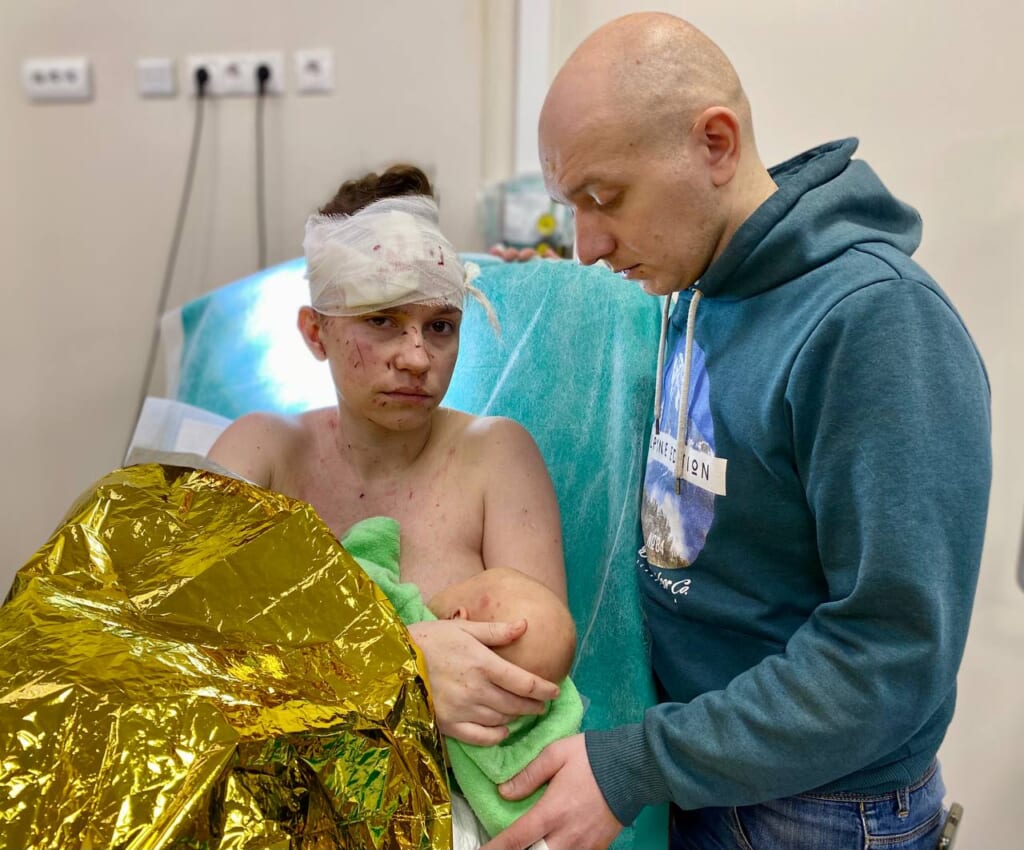
A woman, herself a resident.
Of Slovyansk.
Is co-ordinating the move.
Of civilians out of the city.
And says the situation.
Has deteriorated rapidly.
Has deteriorated rapidly.
Over the past few months.
Families with children.
Have already been.
Ordered to leave.
Ordered to leave.
Nothing, my lord.
Nothing.
Nothing, my lord.
Nothing.
“Everyone is thinking.
About leaving.
I’m thinking about it too.”
I’m thinking about it too.”
Ukraine still holds Slovyansk.
But its lifeblood.
Its people.
Are ebbing away.
Thus Kent, O princes,
bids you all adieu;
He’ll shape his old course
in a country new.
*Because I read “Inside devastated front-line city that Russia wants Ukraine to give up” by Jonathan Beale on 10 Nov 2026 on the BBC news, and also “Why are Ukrainians calling Russians ‘orcs’?” by James FitzGerald on 30 Apr 2022 on the BBC news.
So, I wrote this poem, including a story of Alina, led by ‘KING LEAR’ written by William Shakespeare, you know.
Please read the original story, either on the BBC news or on the BBC news Ukraine:
Inside devastated front-line city of Slovyansk that Russia wants Ukraine to give up
Тут відбувається найінтенсивніша фаза війни. Репортаж ВВС зі Словʼянська – BBC News Україна